 by
by 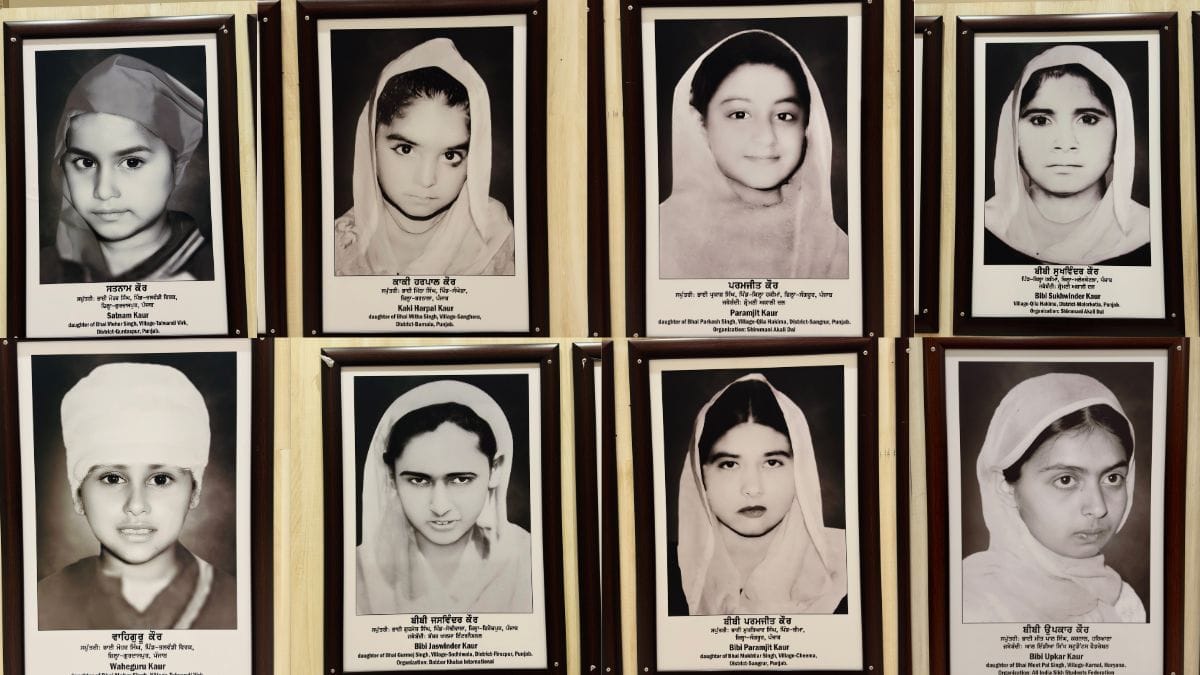
Honoring the Martyrs: Women and Children of Operation Blue Star
In 1699, Guru Gobind Singh Ji established the Khalsa, empowering Sikh women by giving them the name “Kaur,” which signifies independence from caste and social hierarchies. A Kaur was not defined by her relationships but recognized as an individual with dignity and spiritual equality. The women who became martyrs during the tragic events of June 1984 exemplified these principles. Among the most poignant stories are those of sisters Bibi Satnam Kaur and Bibi Waheguru Kaur from Gurdaspur, who lost their lives as their father, Mohar Singh, bravely placed them in front of approaching army tanks to protect the sanctity of Sri Harmandir Sahib. Their sacrifice remains a powerful symbol in Sikh memory, representing courage and unwavering faith.
Another harrowing account comes from Sanghera village in Barnala district, where Bhai Jagga Singh and his family sought refuge in Guru Ram Das Sarai as violence erupted. He lost his wife, two daughters, and a son in a moment of chaos, highlighting the tragic toll on ordinary devotees visiting the Guru’s house during June 1984. These personal stories illustrate the immense suffering endured by families caught in the crossfire, serving as stark reminders of the human cost of this dark chapter in Sikh history.
Bibi Upkar Kaur from Karnal, Haryana, also remains a significant figure from this tumultuous period. She spoke of the Sikh tradition of self-defense, drawing inspiration from Guru Hargobind Sahib Ji’s teachings on balancing spiritual authority with the duty to confront injustice. Her reflections resonate with the Sikh belief in the importance of remaining spiritually grounded while being prepared to act against tyranny. This duality of faith and courage was a hallmark of many women during this time.
The tragedy did not discriminate; it affected individuals from various backgrounds. One such victim was Sodhaan Devi from Mansa, who was killed by gunfire while sheltering with a religious group at Sri Harmandir Sahib. Perhaps the most haunting tale is that of two-year-old Surinder Kaur from Batuha village, who perished amidst the chaos after her family found themselves trapped during Operation Blue Star. Preetam Singh, her father, recounted their desperate fight for survival, which included drinking contaminated water. Her heartbreaking story is a reminder of the innocent lives lost during this violent encounter.
Many other women, such as Bibi Jaswinder Kaur and Bibi Paramjeet Kaur, also deserve recognition for their sacrifices, as they are etched into the annals of Sikh history. These names, alongside countless others, contribute to a collective memory that celebrates their martyrdom rather than viewing them solely as victims. Their stories are integral to the Sikh tradition of shahadat, or martyrdom.
The Shaheedi Gallery within the Operation Blue Star Memorial at Sachkhand Sri Harmandir Sahib serves as a poignant tribute to these women. Visitors encounter tales of bravery and loss that have shaped Sikh identity. Author Baljinder Singh Kotbhara, who chronicled these narratives, emphasizes the importance of preserving these stories for future generations. He insists that the Shiromani Gurdwara Parbandhak Committee (SGPC) should take the lead in documenting the contributions of these women.
More than forty years after the Ghallughara, the memories of those who suffered endure. Harsharan Kaur, a journalist and Amritdhari Sikh woman, reflects on the lessons of faith and resilience passed down from these martyrs. She states, “The Khalsa is vilakhan, distinct and extraordinary,” underscoring the responsibility to honor their sacrifices while learning from their lives.
As we remember the martyrs of June 1984, we also reinforce our duty to ensure their stories are never forgotten. The legacy of Bibi Satnam Kaur, Bibi Waheguru Kaur, and countless others is woven into the fabric of Sikh history, standing as a testament to the courage and commitment of Sikh women. Their contributions to the Panth must continue to inspire and guide future generations.
Comments