 by
by 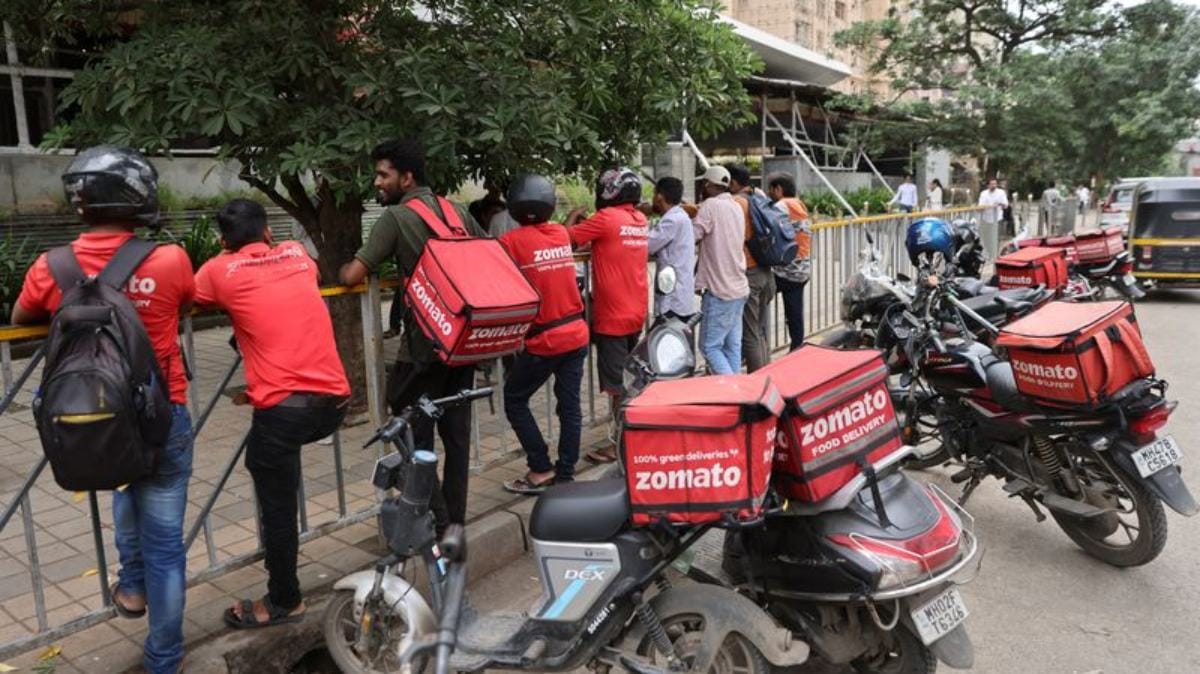
The Pitfalls of EV Mandates for Gig Workers in India
As urban pollution in India escalates, policymakers are increasingly eyeing electric vehicle (EV) fleets as a potential remedy. However, the reality is that most e-commerce companies do not own the vehicles used for deliveries—gig workers do. With low barriers to entry, many gig workers juggle multiple income sources, making the investment in an EV for a single gig an impractical choice.
A report from NITI Aayog in 2025 titled 'Electric Vehicles in India' sheds light on the underlying issues in the EV ecosystem that hinder broader adoption. High initial costs, a developing EV financing landscape, and uncertain resale values render the purchase of an EV economically unfeasible for gig workers. Moreover, the fragmented charging infrastructure and steep public charging fees add to the burden, while alternatives like CNG two-wheelers remain scarce, limiting consumer options.
This isn't the first time a growing sector has faced regulatory measures that miss the mark. Since the telecom sector's liberalization in 1994, India has become the world's second-largest telecom market, yet it still grapples with challenges like the contested definition of Adjusted Gross Revenue (AGR) that complicates financial operations. Policymakers often focus on visible revenue streams while overlooking the capital-intensive nature of these businesses.
Similarly, the EV mandate risks creating a policy that could do more harm than good if it isn't supported by the necessary infrastructure. For gig workers who rely on their vehicles to earn a living, losing access to them could mean losing their livelihood entirely.
While the Haryana government is contemplating exemptions on road taxes and registration fees for EVs, which could stimulate demand and alleviate financing burdens, this alone won't resolve the systemic issues. Gig workers are facing high interest rates on EV loans, ranging from 15% to 33%, making financing daunting. Implementing credit guarantee schemes could lower these rates, making EVs more accessible.
Currently, India's EV-to-charger ratio is a dismal 1:235, far from the ideal 1:20. The lack of charging options is a significant concern for gig workers, as extended charging breaks can cut into their earnings. E-commerce companies are already taking steps to establish charging infrastructure at last-mile delivery points, but government support through public-private partnerships is essential to bridge the infrastructural gap.
A phased approach to EV adoption, aligned with market realities, could foster a more achievable transition. Setting timelines and quotas linked to measurable benchmarks, such as the availability of public charging stations, could help facilitate this shift.
With the e-commerce sector projected to grow 15% annually, reaching $550 billion by 2035 and generating approximately 15.8 million jobs, regulations that fail to consider the operational dynamics of the sector could stifle this growth. As Anand Rajagopal from Koan Advisory Group notes, it's crucial to craft policies that genuinely support gig workers rather than impose unnecessary burdens.
Comments