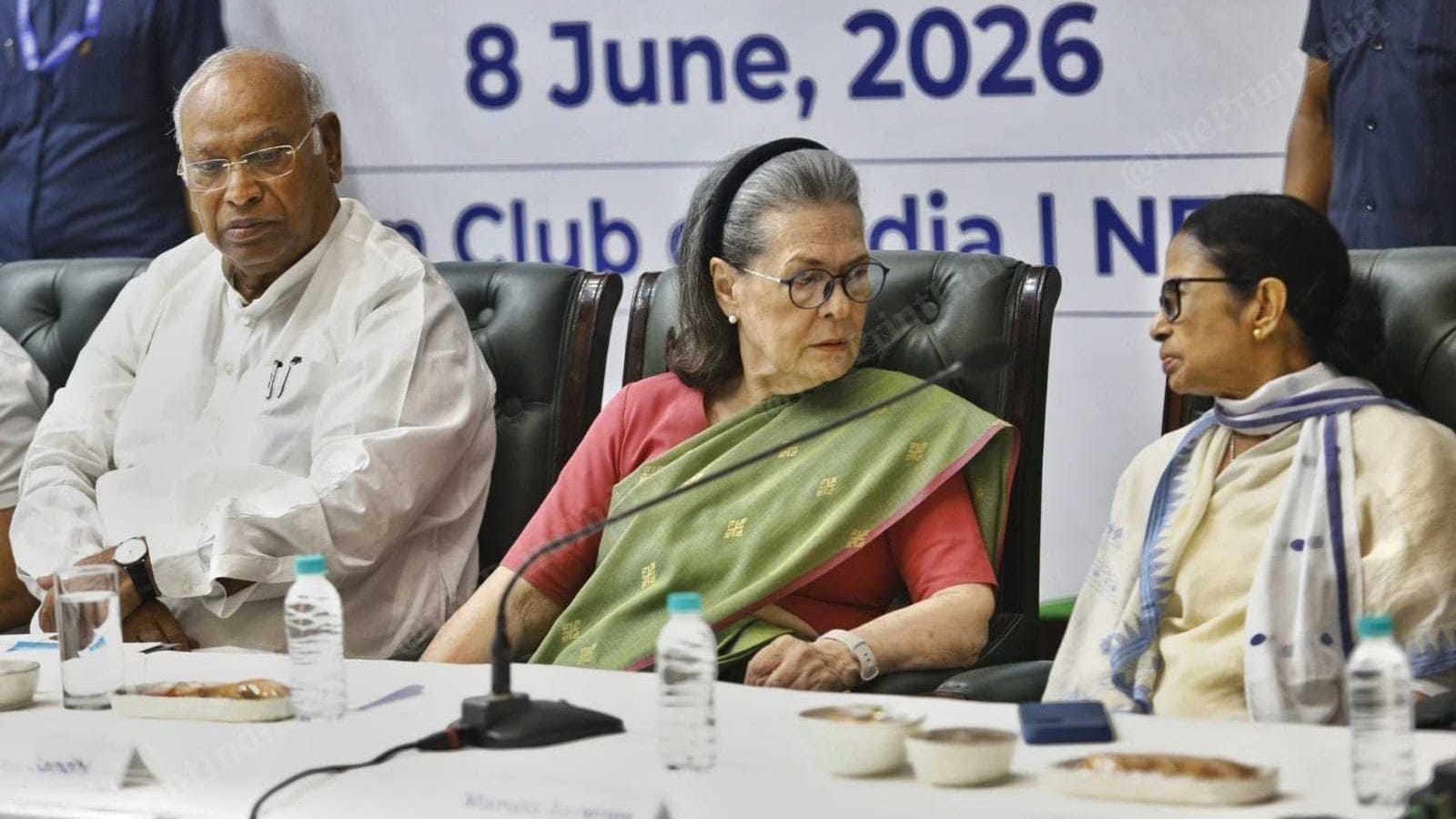
The Perils of Mamata Banerjee Aligning with Congress
While the idea of political parties reuniting may evoke a sense of nostalgia, it rarely translates into effective strategy. The current discussions surrounding the Trinamool Congress (TMC) potentially rejoining the Congress party are misguided and fraught with risks. A few moments of reflection reveal why such a merger would be detrimental for both parties.
First and foremost, Congress stands to gain little from aligning with Mamata Banerjee, who currently faces unprecedented unpopularity. Although the Election Commission's actions have played a role in the BJP's successes in West Bengal, the extent of anti-Mamata sentiment suggests that the TMC would likely have struggled regardless. Why would Congress want to link itself with a leader whose reputation is in tatters instead of carving out its own space in the opposition to the BJP?
Next, consider the challenges of collaborating with Mamata. Her independence as a leader is both her strength and her Achilles' heel. Historically, she has clashed with allies—whether during her Congress tenure, her time with the BJP, or even when she encouraged Congress members to defect to the TMC. This pattern raises significant doubts about her ability to coexist within the confines of another party's structure.
Even if we entertain the notion that Mamata is amenable to compromise, the reality remains that a leader who has dominated her state for three terms is unlikely to submit to the authority of Congress leadership. Respect for Sonia Gandhi exists, but during their alliance, even she struggled to exert influence over Mamata. It’s safe to say that her inclusion in Congress would lead to ongoing strife and instability.
Moreover, the liberal push to consolidate the Muslim vote could backfire spectacularly. This rhetoric often alienates moderate Hindus, who may view it as overtly communal. With figures like Suvendu Adhikari promoting a divisive Hindu-versus-Muslim narrative, the BJP is poised to further isolate minority groups. Instead of courting specific demographics, Congress should focus on delivering good governance and equity for all, steering clear of a narrow Muslim-centric strategy.
These points are particularly relevant in the context of West Bengal, but they resonate on a national scale as well. Historically, the Congress has benefited from strategic alliances with regional parties, a tactic that proved effective during Sonia Gandhi's tenure. However, most mergers face insurmountable hurdles. Why would a strong regional leader, accustomed to autonomy, willingly subordinate themselves to Congress leadership?
A successful non-BJP coalition requires mutual respect, akin to the UPA model, where each leader operates as an equal. While some former Congress members may be worth courting—like Amarinder Singh—the overarching truth remains: Congress, in its current form, lacks the appeal to attract regional parties unless they are desperately seeking refuge.
Ironically, this might describe the TMC's current situation. Yet, Mamata Banerjee is astute enough to realize that merging with Congress is not the solution. Instead, she must embrace her roots as a grassroots fighter and reclaim her popularity. Reflecting on Indira Gandhi's journey in 1977, when she was ousted and abandoned by many, we see a similar need for tenacity. Though Mamata is not Indira, underestimating her resilience would be a grave mistake.
Comments