 by
by 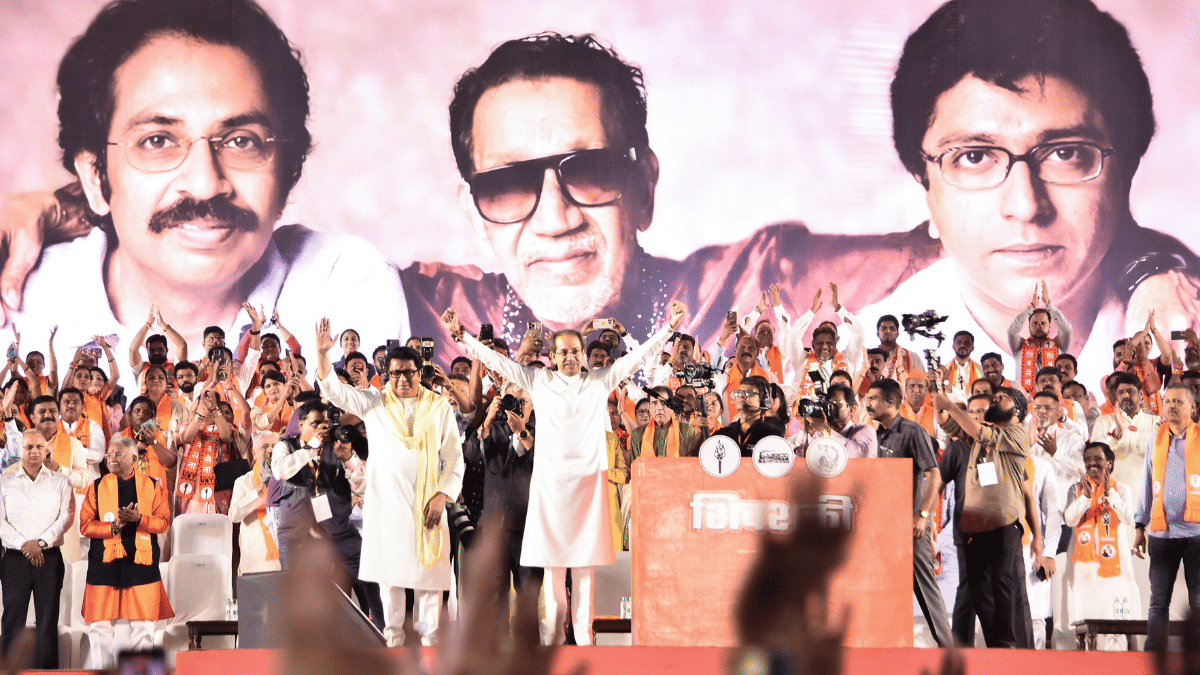
The Shiv Sena Saga: A History of Rebellion and Realignment
The Shiv Sena party, under Uddhav Thackeray's leadership, faced another significant fracture on Monday as six rebel Lok Sabha members defected to the faction led by Deputy Chief Minister Eknath Shinde in Mumbai. This latest development prompts a closer examination of the party's tumultuous history of splits and the fates of those who chose to rebel.
The first notable challenge to Bal Thackeray's authority emerged in the 1970s when Bandu Shingre attempted to establish a rival faction called 'Prati Shiv Sena' in 1974. His move came in response to Thackeray's support for Congress candidate Ramrao Adik during a Lok Sabha bypoll. However, Shingre's rebellion quickly faded, lacking the necessary grassroots support, and he subsequently vanished from the political scene.
A more formidable challenge arose in 1991 when Chhagan Bhujbal, then the Leader of the Opposition, departed from the party following a fallout with Thackeray. Once a trusted ally, Bhujbal transitioned to the Congress and later joined the Nationalist Congress Party (NCP) after its formation in 1999. He rose to prominence as deputy chief minister and remains a key OBC leader in Maharashtra. Despite recent political shifts, including a split in the NCP, he remains with the party, serving as Minister for Food, Civil Supplies, and Consumer Protection.
Rane's Departure and New Alliances
In 2005, Narayan Rane was expelled from the Shiv Sena after a long-standing tenure, including a brief stint as chief minister in 1999. Rane's discontent with Uddhav Thackeray's leadership led to a public dispute that culminated in his departure. Following his exit, he joined the Congress, where he served as revenue minister until 2017, when he formed his own party, 'Swabhiman Paksh,' before ultimately aligning with the BJP. In the 2024 elections, Rane secured a Lok Sabha seat, marking a significant rebound in his political career.
Raj Thackeray's Political Journey
Raj Thackeray, once seen as Bal Thackeray's political successor, left the Shiv Sena in 2005 due to similar grievances with Uddhav's leadership. His departure strained family ties, but he quickly launched the Maharashtra Navnirman Sena (MNS) in 2006, gaining initial traction in Mumbai and beyond, even winning 13 seats in the 2009 assembly elections. However, the MNS's fortunes waned over the years, and Raj's inconsistent political stance has led to diminishing influence. Despite this, he continues to draw crowds and has recently sought to mend fences with Uddhav for upcoming municipal elections.
The Shinde Rebellion: A Turning Point
The pivotal moment in Shiv Sena's history occurred in 2022 when Eknath Shinde orchestrated a massive rebellion, taking over 40 MLAs with him. This upheaval not only resulted in Thackeray losing his chief minister position but also sparked a fierce legal battle for the party's name and symbol. Shinde's faction now claims to be the true Shiv Sena, cementing their hold on the party's original identity while drawing a significant portion of the organizational base to their side.
The latest defection of the six rebel MPs signals ongoing turmoil for Uddhav Thackeray's faction, further complicating the already fractured landscape of the Shiv Sena.
Comments