 by
by 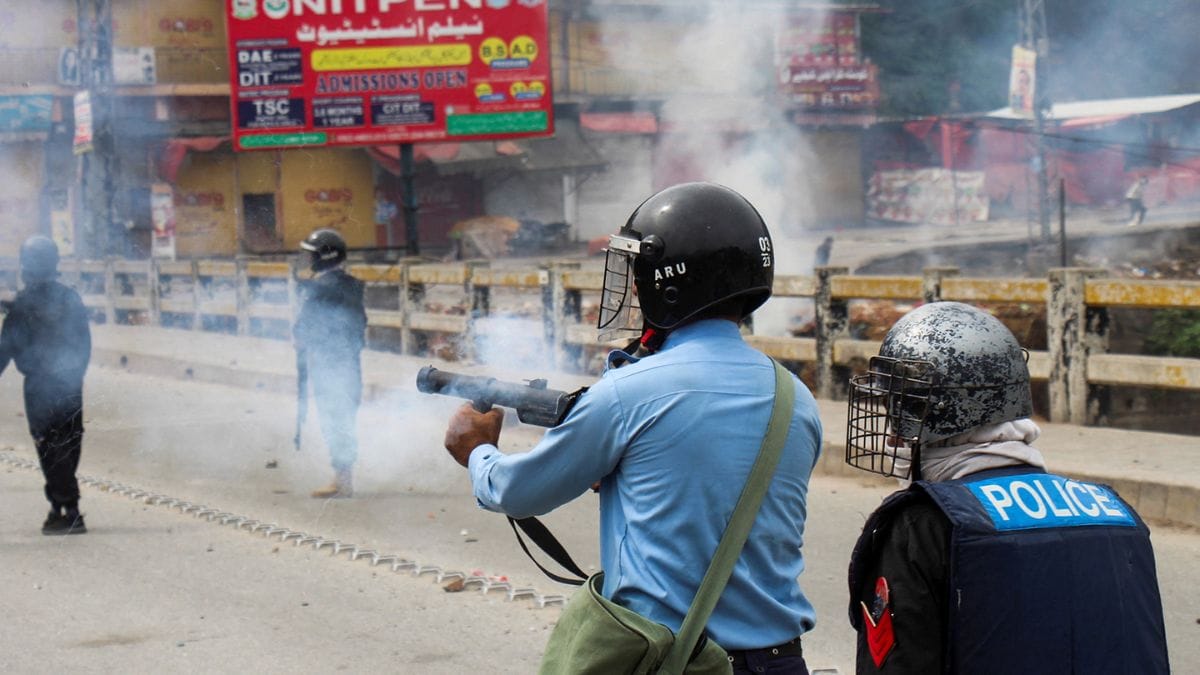
Protests in PoK: A Pivotal Moment for India
What started as a quest for basic necessities and electricity has erupted into widespread protests across Pakistan-administered Kashmir (PoK). In response to the escalating demonstrations, Islamabad has deployed heavily armed police forces to restore order. The Joint Action Committee (JAAC), which has been at the forefront of the protests, recently presented a comprehensive 38-point Charter of Demands, but their movement faced a setback when authorities imposed a ban on the group last week.
The unrest in PoK can be traced back to a combination of economic hardships, political disenfranchisement, and increasing interference from Islamabad. Among the JAAC's demands are grievances related to the political representation in the provincial assembly, the plight of refugees, and the pervasive influence of the military and government in local affairs. As the situation unfolds, it is crucial for New Delhi to monitor developments closely and consider potential outreach to the people of PoK, who, despite living under occupation, share a cultural and historical connection with India.
In April 2019, the Indian Ministry of Home Affairs halted trade with PoK at designated points, citing concerns over illegal activities. While these concerns are valid, no alternative measures have been put in place since then to facilitate lawful trade. Resuming trade could provide much-needed relief to the people of PoK, who are currently facing food shortages and oppression from Islamabad.
Strategic Implications of the CPEC
India should also consider taking action to disrupt infrastructure projects associated with the China-Pakistan Economic Corridor (CPEC). The 1963 Sino-Pakistan Agreement, which established the border between Pakistan's PoK and China's Xinjiang region, ceded significant territory to China. India has consistently declared this agreement illegal, asserting that PoK rightfully belongs to India. In light of this, India must remain vigilant against any attempts by Islamabad to divert attention from the ongoing unrest by pushing militants across the border.
Current protests in PoK reflect a growing frustration among the populace, driven by issues such as military oppression, rising inflation, and a lack of basic rights. While some protesters express a desire to merge with India, many are primarily seeking socio-economic reforms and autonomy from Pakistani control. Nonetheless, there is a willingness among segments of PoK's civil society to engage with India for their socio-economic and political needs.
Paths to Engagement and Statehood
India's central government has an opportunity to initiate meaningful dialogue by nominating representatives from PoK to the Jammu & Kashmir Assembly, where 24 of the 114 seats remain reserved for this region. This gesture could foster greater people-to-people contact, as advocated by various groups within Indian civil society. The aspiration for a more inclusive and democratic society resonates with the people of both sides of the border, transcending ideological divides.
The challenges that Pakistan faces today are multifaceted, but the yearning for a more equitable and democratic future is shared across regions. As India navigates this complex situation, it must embrace the notion of unity while acknowledging the historical roots that bind communities together. The unfolding events in PoK present a strategic opportunity for India to assert its influence and engage with the aspirations of the people.
Comments