 by
by 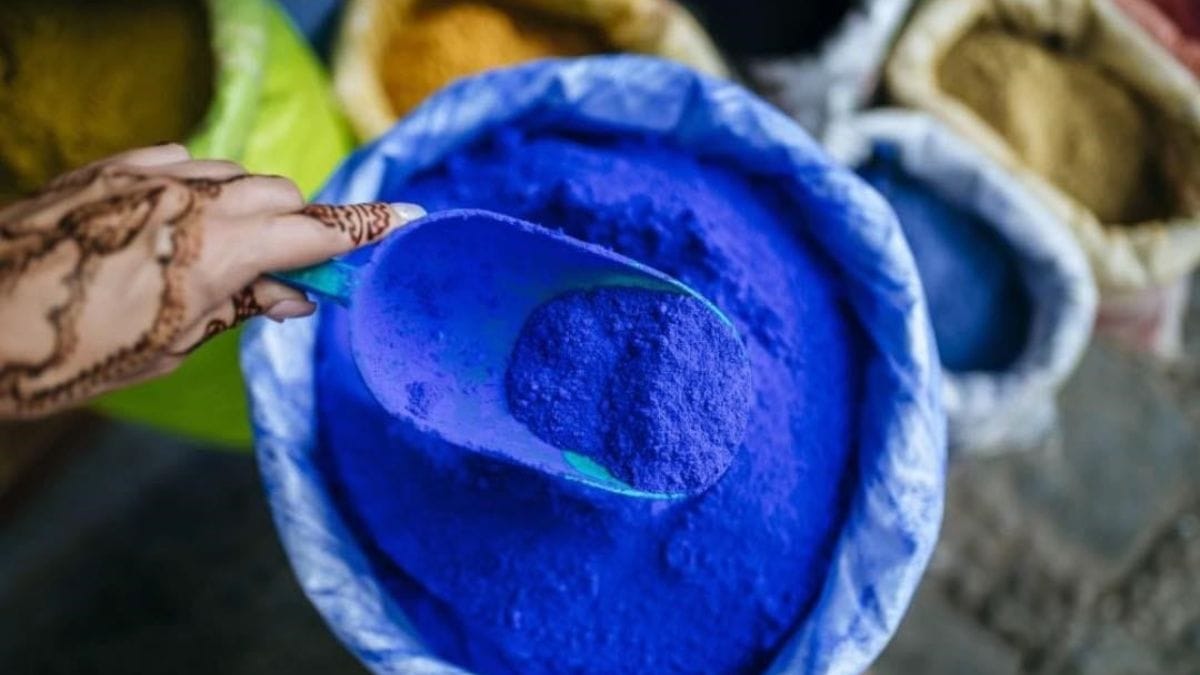
Why Moroccan Nila Powder May Not Be the Skin Savior You Think
The term "blue clay" can be deceiving, as not all products labeled as such are genuine geological clays. Many consist of mineral powders that owe their color to various natural compounds. While the vivid blue hue might give an immediate brightening effect upon application, it doesn't guarantee any lasting improvements in skin health. Dermatologists consistently emphasize the need for clear ingredient labels, particularly with imported or traditionally sourced products that might fall short of modern regulatory standards.
Take the case of Neha Singh, a 29-year-old software professional who walked into my clinic with a striking blue jar of Nila powder she had purchased after seeing rave reviews on social media. Battling mild pigmentation and dullness due to long hours in front of screens and pollution in Delhi, Neha had been using the powder mixed with rose water twice a week. Initially thrilled with the “instant glow,” she soon faced redness, dryness, and increased sensitivity on her cheeks and forehead. “I thought natural meant safe,” she confided. Upon inspecting the product, it became clear that its labeling was vague, lacking details on mineral content and possible allergens. We decided to halt its use and focus on healing her skin with gentle cleansers and ceramide-rich moisturizers. Within three weeks, her irritation subsided, restoring her skin’s natural radiance.
Neha's experience isn't unique; viral trends can often promise quick fixes but may harm the skin barrier if used without expert guidance. Not every ingredient, traditional or trendy, suits every skin type, especially in urban environments laden with pollution and humidity. While rigorous scientific studies on Moroccan Nila powder are sparse, any purported benefits are likely limited. Currently, there is no solid evidence to support claims that it significantly reduces melanin production or enhances collagen compared to established treatments.
This conversation also raises significant issues regarding terminology. In dermatology, skin brightening refers to improving skin health—enhancing hydration, smoothing texture, reducing inflammation, and fading post-acne marks—without altering the natural skin tone. Conversely, skin whitening suggests a lightening of natural pigment, a concept often linked to outdated beauty standards and colorism. We encourage our patients to prioritize resilient, healthy skin over the pursuit of a lighter complexion. After all, true confidence emanates from well-cared-for skin, not from adhering to narrow societal ideals.
Moroccan Nila powder embodies a unique fusion of cultural heritage and modern social media hype. While it might provide temporary benefits for some through exfoliation and masking, the scientific backing for significant long-term brightening is limited. Users should be aware of potential risks such as irritation or allergic reactions, especially given the inconsistent quality of products on the market. Before diving into any trendy ingredient, it's crucial to patch test, seek out products with transparent labeling, and consult with a dermatologist—particularly for those with sensitive, acne-prone, or pigmented skin.
Ultimately, the most effective glow comes from consistent skincare basics: cleansing, moisturizing, sun protection, and addressing specific concerns with scientifically proven ingredients. Skincare should empower us to embrace our natural beauty rather than compel us to alter it. Healthy, radiant skin can be achieved through science-backed care and self-acceptance—regardless of skin color. The best investment lies in understanding your skin’s unique needs rather than chasing the latest blue trend.
Comments