 by
by 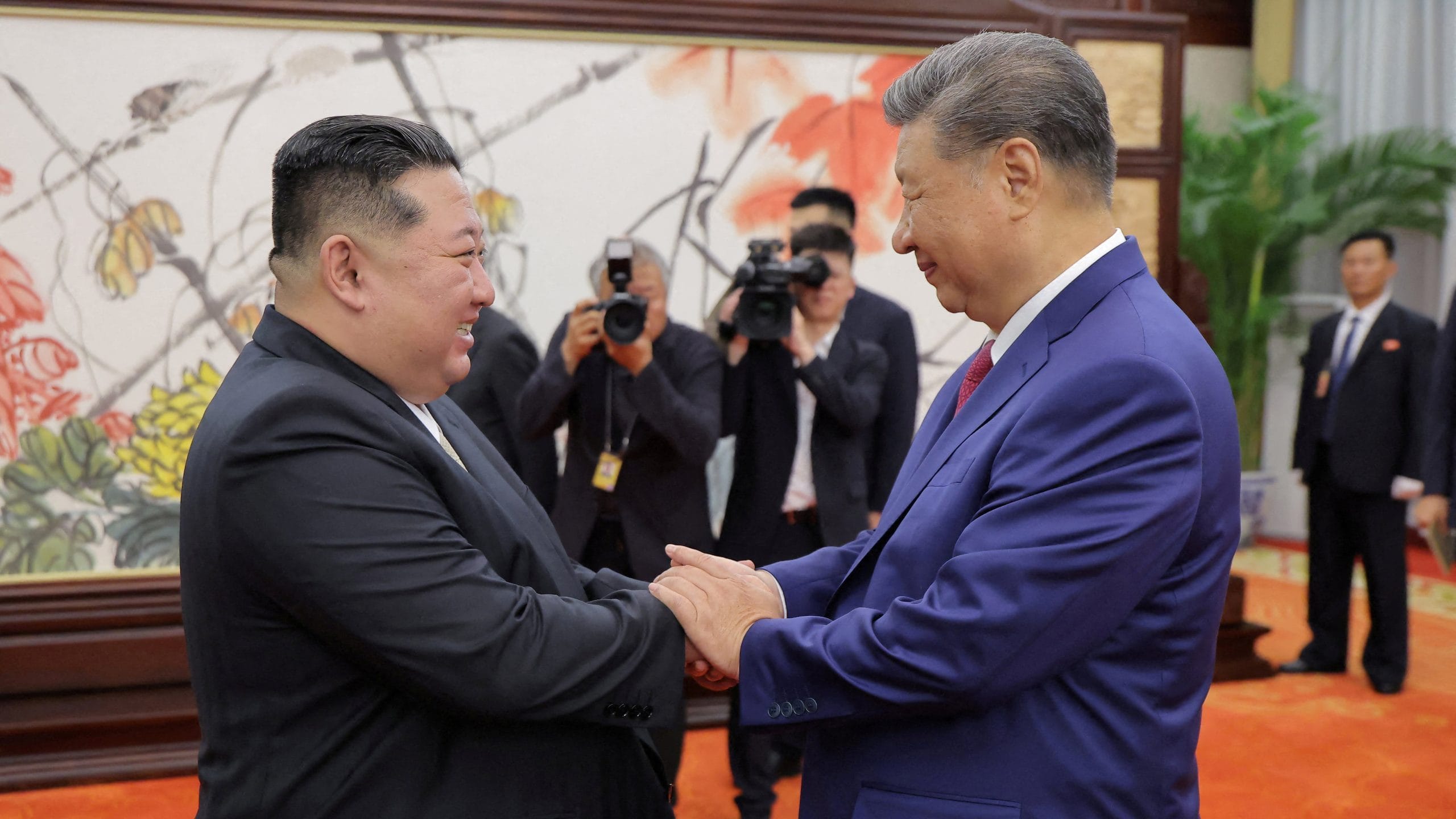
China's Perspective on Xi Jinping's Meeting with Kim Jong Un
Xi Jinping's recent visit to North Korea, the first in seven years, carries significant political weight, prompting Chinese commentators to view it as more than just a routine diplomatic meeting. The long hiatus suggests the discussions extended beyond mere bilateral issues, hinting at broader regional and international implications. Online platforms like Weibo reflect a narrative that frames this visit as the culmination of enhanced China-North Korea relations, which have been steadily strengthened since the pandemic.
Chinese discourse identifies three key themes regarding the timing and intent of Xi's visit. Firstly, there’s a notable shift toward a periphery-focused diplomacy, emphasizing China's commitment to shaping regional dynamics, rather than merely reacting to them. Engagement with North Korea is construed as a strategic move to stabilize China's immediate neighborhood. Secondly, the pursuit of stability within Northeast Asian geopolitics is highlighted, encompassing both the bilateral relationship and the regional context. Lastly, the evolving diplomatic approach suggests a transition from a defensive stance to proactive engagement and flexibility.
Experts in policy circles are articulating these themes through strategic communication. Zhan Debin, from the Center for Korean Peninsula Studies, asserts that despite differing development pathways, enhanced exchanges between China and North Korea foster mutual trust and regional stability. Zheng Jiyong of the China Association for Korean History Studies echoes this sentiment, suggesting that improved coordination could enhance predictability and economic ties in Northeast Asia. Zhang Huizhi from Jilin University further argues for pragmatic cooperation in social and economic spheres to bolster regional stability and prosperity.
The visit is also being interpreted as a significant signal. Observers on Weibo suggest that it serves to strengthen political trust and solidify China’s influence in Northeast Asian security. Closer ties between Beijing and Pyongyang could recalibrate regional dynamics, particularly in relation to the U.S. and Japan, creating a more favorable environment for renewed diplomatic efforts on the Korean Peninsula. Xu Liping from the Chinese Academy of Social Sciences believes that in the current volatile international climate, Xi's trip plays a crucial role in stabilizing China’s external periphery.
Notably, the Chinese portrayal of North Korea is shifting. Instead of focusing on nuclear threats or sanctions, Kim Jong Un is now depicted as pursuing economic modernization amid challenging circumstances. This developmental perspective draws parallels to China’s own reform journey, suggesting a normalization of relations. By framing the visit as an endorsement of North Korea's development-oriented path, Chinese narratives prioritize continuity, stability, and economic engagement, reinforcing China’s role as a key player in the strategic landscape of Northeast Asia.
Comments