 by
by 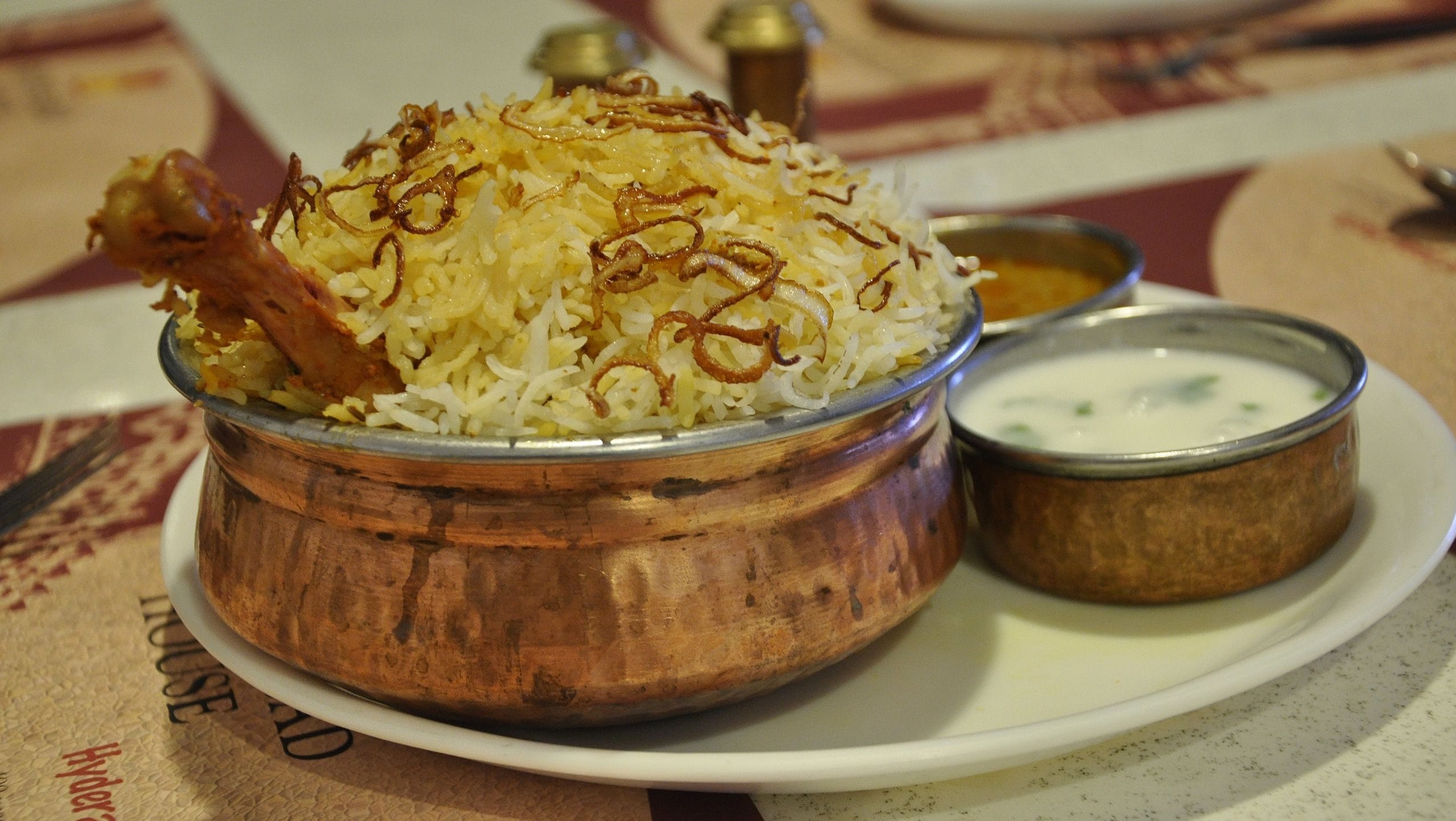
The Biryani Debate: A Dish Beyond Boundaries
Biryani, often debated over its true origins, boasts a lineage that reaches back to Central Asian kitchens, yet it has firmly established itself as an Indian classic. While the pulao typically leans towards vegetarianism in Central Asia, biryani has evolved into a rich, meat-laden dish thanks to culinary influences from migrants and Persian kitchens. The cooking technique known as ‘dum’ was refined in Mughal royal kitchens, paving the way for biryani to flourish across regions once under Mughal rule.
In Hyderabad, biryani found its identity through the Nizams, who were appointed Mughal governors in South India. Their chefs, or khansamas, brought the dish with them, honing the Hyderabadi variant into what we recognize today. Although once a dish reserved for the elite, biryani’s popularity skyrocketed in Hyderabad thanks to the proliferation of Irani cafés, which served as vibrant cultural hubs. Interestingly, these cafés once offered a meat-to-rice ratio of 65:35, a far cry from today's often meat-scarce versions.
Another fascinating chapter in biryani's story is the Kalyani biryani, which emerged during the pre-Independence era in Basavakalyan, Karnataka. The Nawabs of Basavakalyan were known for their hospitality, serving mutton biryani to visitors in Hyderabad until the annexation of Hyderabad in 1948 brought financial woes. In response, they adapted the dish by substituting beef for mutton, creating a unique twist that remains popular today.
Biryani transcends religious and cultural lines, making it a staple at weddings and celebrations, regardless of whether the attendees are Hindu, Muslim, or Christian. Its versatility allows it to be prepared for large gatherings, often requiring cooks to use their traditional cauldrons even for smaller groups. Whether enjoyed in high-end restaurants or humble eateries, biryani has become a unifying dish, cherished by all strata of society.
Yunus Lasania, a journalist from Hyderabad, delves into themes of politics, history, and culture in his work. Follow him on X at YunusLasania for more insights. Opinions expressed are his own.
Comments