 by
by 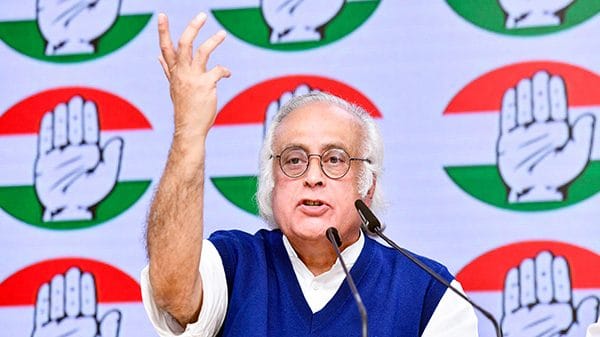
Push for Voting Rights as Fundamental Right Gains Momentum
The debate over whether the right to vote should be enshrined as a fundamental right in India has resurfaced, echoing discussions from the Constituent Assembly in 1947. At that time, the Advisory Committee on Fundamental Rights, led by Sardar Patel, deliberated intensely on the issue. Prominent voices like Dr. B.R. Ambedkar and Babu Jagjivan Ram advocated for this change, while Patel and others expressed concerns that such a designation might deter princely states from joining the Indian Union. Patel posited that universal adult franchise itself implied a fundamental right, laying the groundwork for Article 326, which establishes elections based on universal suffrage.
Over the past seventy years, the discourse has continued, with the right to vote being viewed alternately as a statutory right under the Representation of People Act, 1951, or as an explicit fundamental right. Recently, Justice Ajay Rastogi, in a dissenting opinion within the March 2023 Anoop Baranwal vs Union of India case, asserted that voting is indeed a fundamental right. The Supreme Court has also underscored this notion, recognizing voters' constitutional right to be informed about candidates' criminal records, financial interests, and political funding sources.
Ramesh highlighted the inconsistencies in the current legal framework, noting that while many associated rights have been declared fundamental, the right to vote remains merely statutory. He argued,
“With the blatantly partisan functioning of the Election Commission of India working at the behest of the Prime Minister and the Union Home Minister having been brutally exposed, it is now time to elevate the right to vote as a fundamental right that would offer it the highest level of judicial review and protection.”He emphasized that this shift would provide essential safeguards against voter suppression and arbitrary disqualifications that have surged under the Special Intensive Revision (SIR) process.
Ramesh's advocacy for recognizing voting as a fundamental right gained further relevance following a recent Supreme Court ruling affirming the right to walk on a demarcated footpath as fundamental. He remarked,
“How about declaring the Right to Vote also a fundamental right as it is of paramount importance in order to save Indian democracy from its present ‘death spiral’?”This landmark decision prioritized pedestrian rights over vehicular movement, highlighting the growing recognition of fundamental rights in the public sphere.
Comments