 by
by 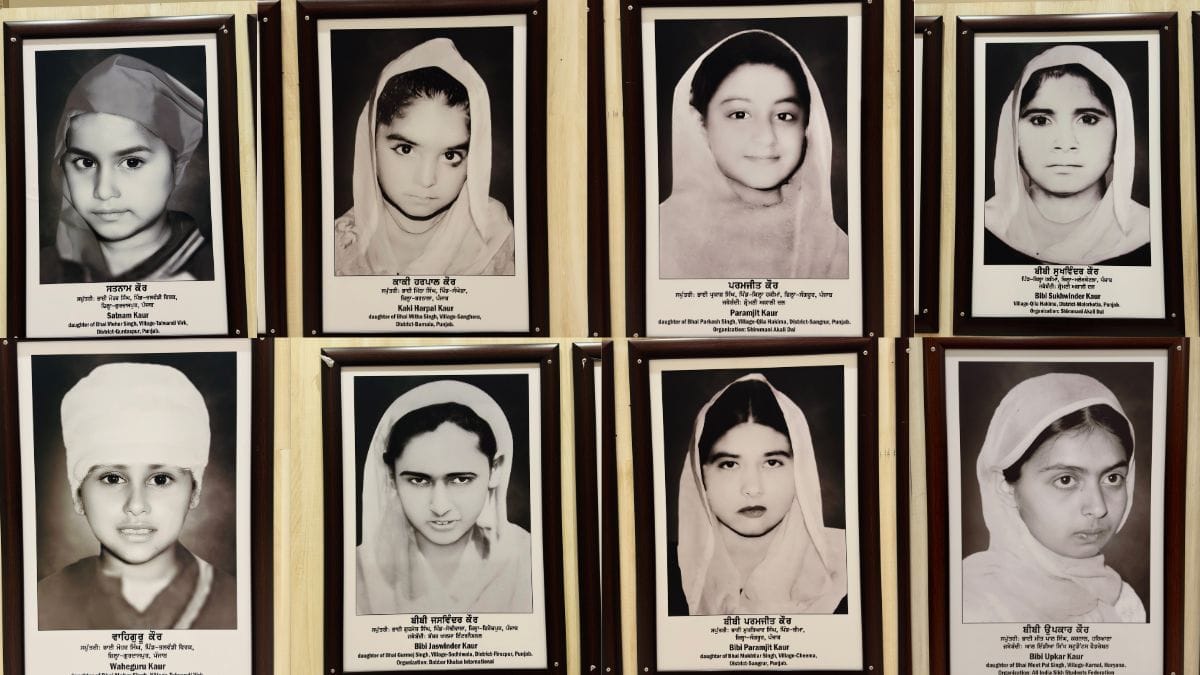
Honoring the Martyrs of Operation Blue Star: Women and Children in Sikh Memory
The legacy of Guru Gobind Singh Ji, who founded the Khalsa in 1699, empowered Sikh women by giving them the name “Kaur.” This title transcended caste and social hierarchy, granting women an identity that emphasizes dignity, bravery, and equality. The sacrifices made by women during the tragic events of June 1984 resonate deeply, with figures like Bibi Satnam Kaur and Bibi Waheguru Kaur standing out. These sisters were tragically killed while their father, Mohar Singh, attempted to protect Sri Harmandir Sahib from military assault, placing them in front of army tanks. Their martyrdom has become a powerful symbol of faith and resilience in Sikh history.
Another poignant story comes from Sanghera village in Barnala district. Bhai Jagga Singh and his family sought refuge in Guru Ram Das Sarai as violence escalated. In a split second, he lost his wife, his friend, and two daughters, Binder Kaur and Gurmeet Kaur. The devastation of an entire family illustrates the profound human cost of the events of June 1984, reminding us of the ordinary devotees who came to the Guru’s house seeking peace.
Bibi Upkar Kaur from Karnal, Haryana, exemplified Sikh conviction. Her reflections on the principle of Miri-Piri—spiritual and temporal authority—highlight the Sikh tradition of self-defense. She emphasized that Sikhs must balance spiritual devotion with the courage to confront injustice, echoing Guru Gobind Singh Ji’s teachings on the need for both spirituality and readiness to resist oppression.
The tragedy of June 1984 transcended regional and social boundaries, affecting individuals like Sodhaan Devi from Mansa, who was killed during the assault while seeking refuge. Perhaps the most heartrending tale is that of two-year-old Surinder Kaur from Batuha village, who perished amid the chaos of Operation Blue Star after her family struggled to survive in dire conditions, often resorting to drinking contaminated water.
Numerous other women, like Bibi Jaswinder Kaur and Bibi Paramjeet Kaur, also made their mark during that harrowing time. Their stories, though scattered across various records, contribute to the rich tapestry of Sikh history, not as mere victims, but as martyrs who embody the spirit of shahadat, or martyrdom.
The Shaheedi Gallery at Sachkhand Sri Harmandir Sahib honors these women, allowing visitors to engage with their stories of loss and bravery. Baljinder Singh Kotbhara, author of Kaurnama Part III, noted the importance of documenting these accounts:
“Preserving their stories is a responsibility that belongs to all of us.”He urges institutions like the SGPC to prioritize the remembrance and promotion of these sacrifices.
As the memory of June 1984 lingers, the narratives of women like Bibi Upkar Kaur and many others serve as vital lessons in faith and commitment. Harsharan Kaur, a journalist, reflects on this legacy, stating that the women of that era exemplified the spirit of the Panth.
“Remembering these sacrifices is our collective responsibility,”she asserts, emphasizing the need to learn from their lives and remain rooted in Sikh principles.
Decades have elapsed since the Ghallughara of June 1984, yet the stories of these women endure, preserved in the hearts of the community and memorialized in the Shaheedi Gallery. Their sacrifices reflect not only loss but also unwavering devotion and strength in the face of adversity.
“The martyrdom of these women reminds us that equality comes with responsibility,”says Bhai Paramjeet Singh Mand, reinforcing the notion that Sikh women have always stood alongside men in the defense of their faith. Remembering them is not just an act of tribute; it is a solemn duty to ensure their place in Sikh memory and history is eternally honored.
Comments