 by
by 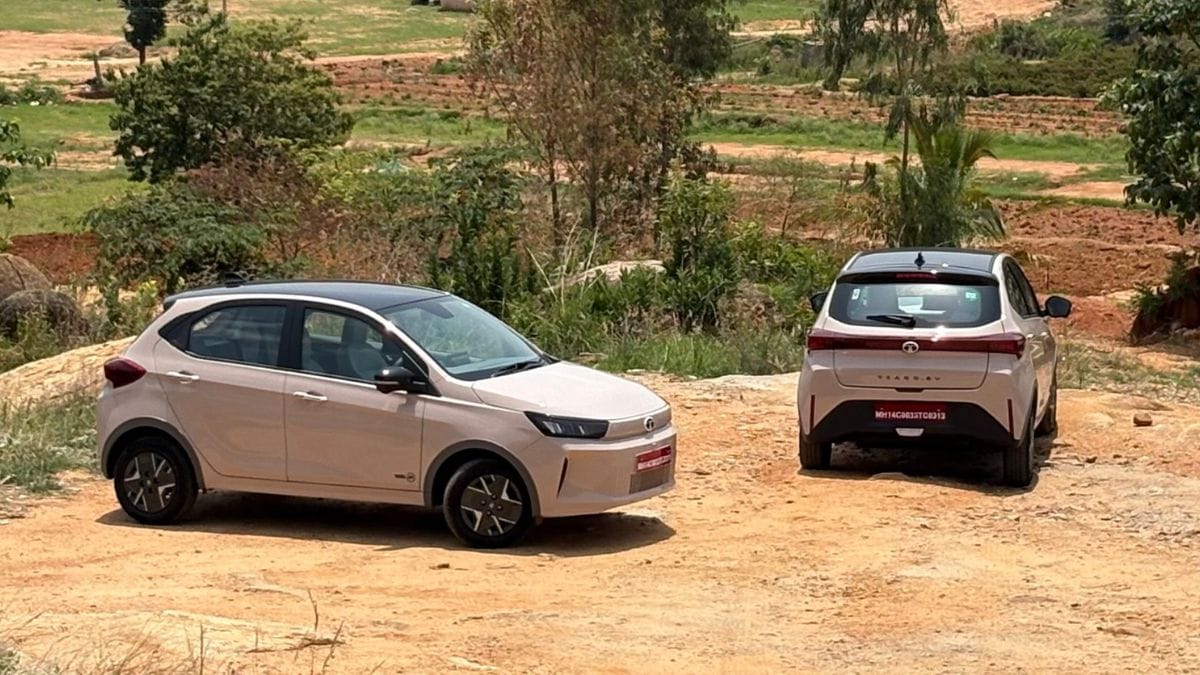
The Tata Tiago EV: A Smart Choice for Urban Commuters
The Tata Tiago EV may just be the affordable electric hatchback that Indian consumers have been yearning for. While it's not a brand-new vehicle, the recent refresh has given it a modern look and feel, aligning its interior features with other Tata models. The cabin boasts light-grey fabric on the seats and dashboard, creating a spacious ambiance. Notably, the revamped steering wheel now sports a matte finish and the new ‘Tata.ev’ logo, adding to the contemporary vibe.
Examining the exterior, the Tiago EV showcases new sculpted headlights and a redesigned front, enhancing its modern appeal, although some may prefer the classic look of its internal combustion counterpart. However, the heart of any electric vehicle lies in its battery and performance. The Tiago EV maintains its existing battery sizes of 19.2 and 24 kilowatt-hours, which is, in fact, beneficial.
Tata has upgraded the batteries for quicker charging, allowing for an impressive 100 kilometers of range in just 18 minutes with a 30-kilowatt fast charger. For those concerned about range, the 19.2-kilowatt model offers a certified range of 226 kilometers and a real-world range of approximately 150-160 kilometers. The larger 24-kilowatt-hour battery boasts a certified range of 285 kilometers, with a practical range of 200-220 kilometers. During a test drive on the Bengaluru-Hyderabad highway, averaging 120 watt-hours per kilometer, I achieved around 200 kilometers, indicating that urban driving could easily yield 220 kilometers.
However, the Tiago EV lacks paddles for adjusting regeneration levels; instead, users must rely on console buttons. While many drivers may stick to one level, the ability to switch gears based on driving conditions would enhance the experience. Ultimately, the question arises: does the Tiago need a larger battery? My answer is no. Designed primarily for urban commuting, it efficiently serves short trips to work, school, or shopping.
With a lighter battery pack, the Tiago EV feels nimble and enjoyable to drive, embodying the ideal characteristics of a small hatchback. The 19.2 kWh variant delivers 61 horsepower, while the 24 kWh version offers a slightly more robust 74 horsepower. With a top speed capped at 120 kilometers per hour—more than adequate for city limits—the vehicle is well-suited for daily commutes, which generally fall well below 50 kilometers in urban areas.
Long-distance drives are possible, thanks to a growing network of charging stations along major highways. However, it’s wise to verify charging availability before embarking on any road trip, utilizing manufacturer apps or networks like ChargeZone and Statiq. The smaller battery also allows Tata Motors to price the Tiago EV competitively, keeping it under ten lakh. The top-end 24 kWh Creative+ variant retails at Rs 9.99 lakh, while the base Smart variant starts at Rs 6.99 lakh. For those considering Battery-as-a-Service, it’s available for Rs 4.69 lakh.
While the running cost of the Tiago EV is around one rupee per kilometer with home charging, it’s important to note that both petrol and CNG versions are also highly efficient. However, with rising fuel costs, the advantage of electric vehicles becomes more pronounced, particularly for those with access to home charging—a significant consideration in the current landscape.
Would I opt for the Tata Tiago EV? Absolutely, if I needed a compact vehicle for city driving and had home charging facilities. Compared to competitors like the MG Comet, the Tiago EV offers practical four-door access, a comfortable rear seat, and space for luggage. With a growing preference for Tata vehicles among Indian consumers, the Tiago EV could very well be the next success story in the market.
Comments