 by
by 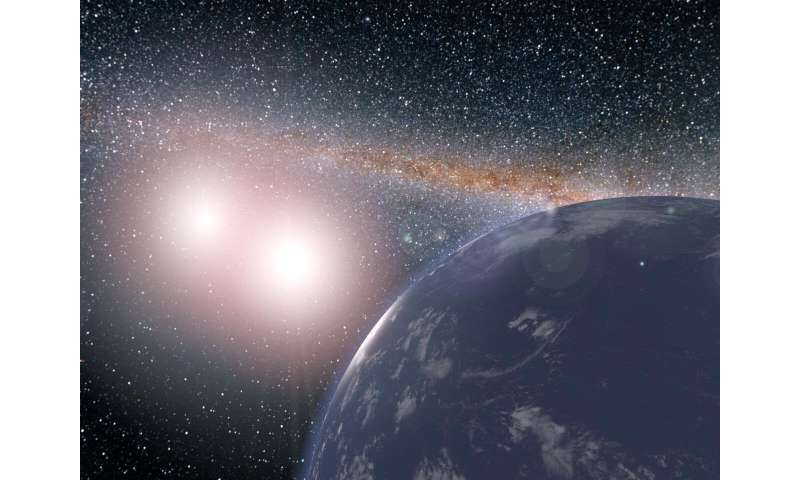
NASA's EVE Mission Set to Unravel Exoplanet Radius Mystery
For over a decade, planetary scientists have grappled with a perplexing question: why are there so few exoplanets with a radius approximately 1.8 times that of Earth? The current classification system divides these celestial bodies into two main categories—"super-Earths," which are smaller and rocky, and "sub-Neptunes," which are larger and exhibit a more gaseous composition. However, the reasons behind this division in planetary evolution remain unclear. Enter the Early eVolution Explorer (EVE), a proposed mission aimed at shedding light on this enigma, with its concept draft now available on arXiv.
Comments