 by
by 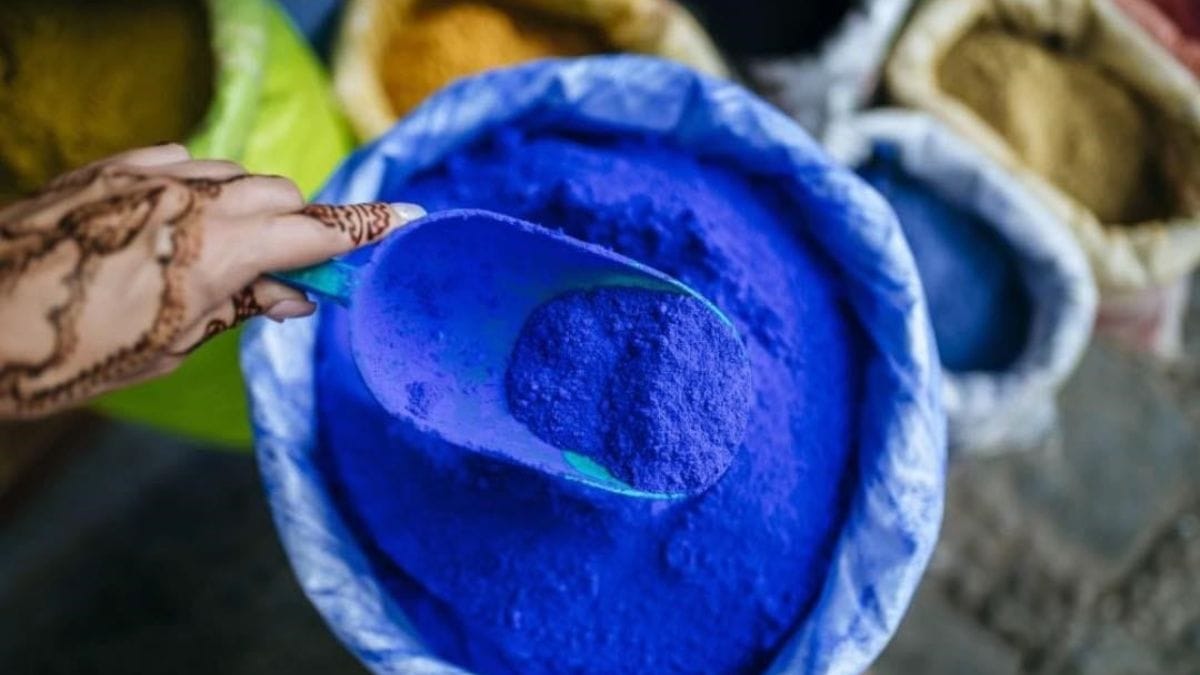
Beware of Moroccan Nila Powder: Not All Blue Clays Are Safe for Your Skin
The term “blue clay” can be deceptive. Many products marketed under this label are not true geological clays but rather mineral powders rich in pigments derived from natural sources. While the striking blue hue can create an immediate brightening effect, it doesn't guarantee any long-term benefits for your skin. Dermatologists emphasize the necessity of clear ingredient labeling, particularly for imported or traditionally sourced products that might not adhere to contemporary safety standards.
Take the case of Neha Singh, a 29-year-old software engineer who visited my clinic with a vibrant blue jar she had purchased after being swayed by glowing reviews online. Neha had been using Nila powder mixed with rose water twice a week to combat mild pigmentation and dullness resulting from long hours in front of screens and pollution in Delhi. Initially thrilled with the “instant glow,” she soon faced redness, dryness, and heightened sensitivity in her skin. “I thought natural meant safe,” she lamented. Upon examining the product, I found its labeling to be vague, lacking a clear breakdown of mineral content or allergens. We stopped using the Nila powder and shifted our focus to repairing her skin barrier with gentle cleansers, ceramide-rich moisturizers, and strict sun protection. Within three weeks, her irritation subsided, allowing her skin's natural radiance to return through evidence-based care.
This scenario is not unique; viral skincare trends often promise quick results but can disrupt the skin's natural defenses when not used properly. It's crucial to remember that not all traditional or trending ingredients are suitable for every skin type, especially in urban Indian settings plagued by pollution and humidity. Currently, there is a lack of substantial scientific evidence suggesting that Moroccan Nila significantly reduces melanin production or offers lasting brightening effects compared to established treatments.
This trend raises important questions about the language we use in dermatology. Enhancing skin health through better hydration, smoother texture, and reduced inflammation should be the goal, rather than altering one's natural skin tone. Skin whitening, which aims to lighten natural pigmentation, often stems from outdated beauty ideals. As dermatologists, we advocate for healthy, resilient skin over the pursuit of a lighter appearance. True confidence shines through well-cared-for skin, not by conforming to narrow beauty standards.
Moroccan Nila powder embodies a unique intersection of cultural heritage and modern social media hype. While it may provide temporary benefits through exfoliation, the scientific backing for significant long-term effects is lacking. Additionally, the potential risks, such as irritation and allergic reactions, are very real, especially given the inconsistency in product quality.
Before diving into any viral skincare ingredient, it's essential to prioritize patch testing, seek out clear labeling, and consult a dermatologist, especially if you have sensitive or acne-prone skin. From my experience, true radiance comes from a consistent routine focused on cleansing, moisturizing, sun protection, and targeted treatments with proven ingredients. Skincare should empower you to appreciate your natural beauty, not compel you to change it. Healthy, glowing skin is attainable through science-backed practices and self-love, regardless of your skin color. The best investment you can make is understanding your skin's unique needs rather than chasing every fleeting trend.
Dr. Deepali Bhardwaj is a Consultant Dermatologist at Max Hospital, Saket. She specializes in anti-allergy treatments, laser surgery, and aesthetic care, and shares insights on Twitter as @dermatdoc. The views expressed here are personal.
Comments