 by
by 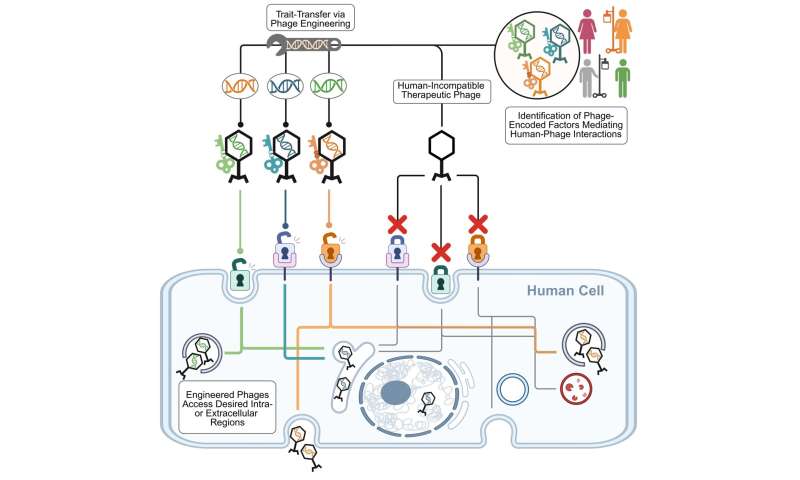
New Insights into Gut Phages Could Pave the Way for Innovative Therapies
Bacteriophages, commonly known as phages, are viruses that target bacteria and are generally harmless to humans. However, researchers at the Translational Microbiology Laboratory within the Institute of Biochemistry at the HUN-REN Biological Research Centre in Szeged have uncovered surprising interactions between certain gut phages and human cells. Their recent study reveals that specific phage surface proteins function as molecular anchors, facilitating the attachment of these viruses to human cells, enhancing their uptake, and ensuring they remain in the gastrointestinal tract for extended periods.
Published in the journal Nature Communications, these findings shed light on the behavior of phages in the human body and could lead to groundbreaking therapeutic applications. The potential implications of this research could significantly alter our understanding of gut microbiota and its interaction with human health, opening doors to innovative treatment strategies.
Comments