 by
by 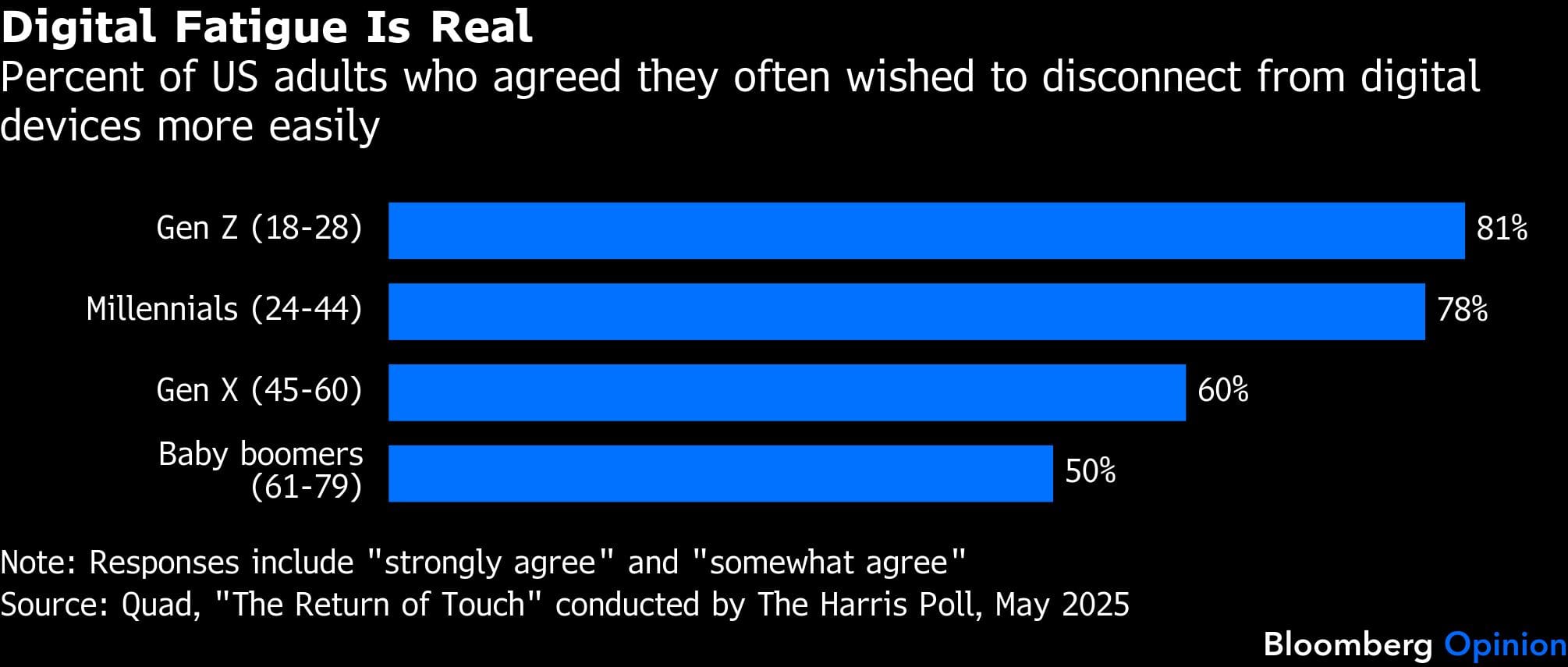
Artists Embrace Phone-Free Concerts for a More Intimate Experience
A growing trend among musicians is reshaping how live performances are experienced, with many opting for a phone-free environment to encourage audience engagement in the moment. A striking example was the recent Phoebe Bridgers concert at Madison Square Garden, where an estimated 20,000 fans left their devices behind in Yondr pouches. Attendee Carli Platt, 21, noted the unique intimacy of the show: “Even though there were around 20,000 people there, Madison Square Garden felt intimate. It was just her sitting on a couch singing, and you could hear a pin drop.” Bridgers herself expressed her surprise at the atmosphere, stating it was unlike any concert she had ever attended.
The morning after her performance, Bridgers announced an ambitious arena tour, stating it would be phone-free, a bold move against the trend of social media-centric concert culture. Live Nation reports that 68% of Gen Z concertgoers feel social media is essential to live music events. Platt shared her struggle with phone dependency: “I am so attached to my phone... I was so glad that I couldn’t” reach for it during the show. Bridgers' stripped-back set demonstrated that a memorable experience doesn't hinge on elaborate production, a sentiment resonating with other artists.
In addition, some artists are partnering with companies to make concerts more accessible. At Bridgers' MSG show, she collaborated with Tidal to offer fans a lottery for tickets priced as low as $1, with proceeds benefiting charity. The All-American Rejects are also promoting a similar ethos with their “House Party” tour, featuring affordable shows in casual venues like backyards and bowling alleys, where tickets go for around $10 and include complimentary drinks.
Listening parties by artists such as Rosalía, Billie Eilish, and Harry Styles further reflect this movement, offering fans a chance to experience new music in an intimate setting. As Dazed’s Josh Crowe highlighted, these events provide global reach while maintaining a personal touch, catering to Gen Z's appetite for analog experiences. This trend dovetails with a resurgence in physical music formats, with vinyl and cassette sales doubling since 2018.
While many fans appreciate the shift toward a more analog concert experience—illustrated at MSG where ticket info was handwritten and lighters replaced phone flashlights—the idea of going phone-free remains contentious. Critics argue that as concert costs rise, attendees should have the right to capture the moment digitally. Yet, this perspective falters when one considers that people routinely silence their phones for other expensive outings, from comedy shows to workout classes.
Though Yondr pouches have existed for over a decade, Bridgers’ commitment to a phone-free concert on this scale is unprecedented. Attendee Britt Lang remarked on the sense of community fostered by the experience: “There was a greater sense of community than I have ever experienced at a show this big — people were talking to strangers and making jokes.” As Bridgers poignantly sang in her song “Scott Street,” “Don’t be a stranger.” If audiences continue to embrace the moment, the most talked-about concerts of 2026 may well be those that encourage genuine memories over digital documentation.
Comments