



 by
by 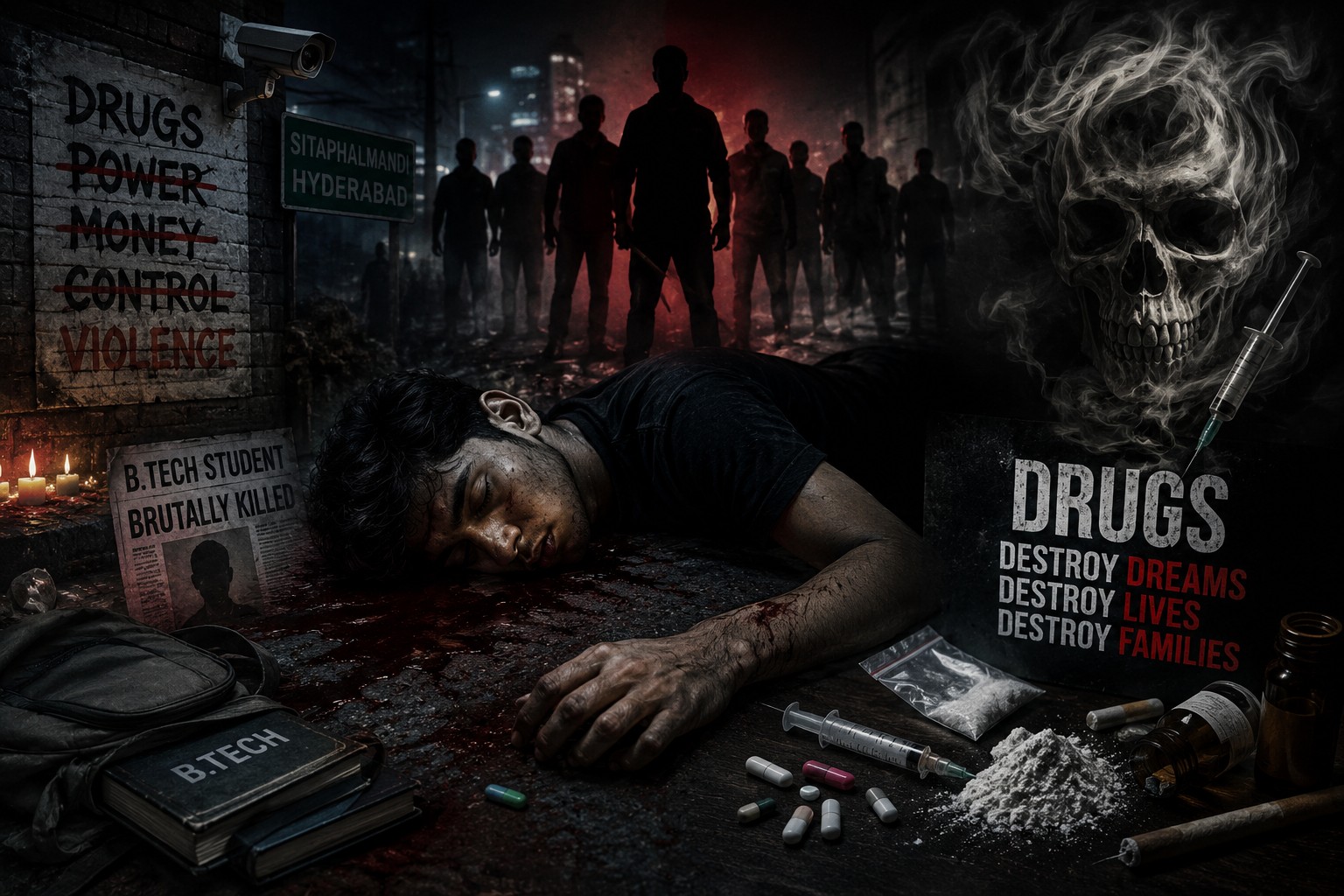
The Murder of Bommana Yavan: A Chilling Incident
The brutal murder of Bommana Yavan, a 21-year-old BTech student, in Hyderabad's Sitaphalmandi area has sent shockwaves through the community. On a seemingly ordinary evening, Yavan was attacked while watching an IPL match with friends. Eyewitnesses reported that a group approached him, leading to a violent confrontation where Yavan was stabbed multiple times. Despite being rushed to Gandhi Hospital, he was declared dead on arrival. This incident, occurring in a public space, underscores a growing fear among citizens about their safety and the audacity of criminals who operate without fear of immediate consequences.
Audio Evidence and Threats: The Preceding Events
In the days leading up to his murder, an audio conversation between Yavan and his alleged girlfriend surfaced, revealing threats from her family. The girl, Chandrakala, warned Yavan about her brother-in-law's aggressive opposition to their relationship, even threatening their lives. Despite these clear threats, the system failed to act swiftly to prevent the tragedy. This raises critical questions about the responsiveness of law enforcement to potential threats and the protection of individuals at risk.
Public Outrage and the Demand for Justice
Following Yavan's murder, public outrage has been palpable. Relatives and community members staged protests demanding justice. The police have taken four individuals into custody and formed special teams to apprehend others involved. However, the delay in action has fueled public skepticism about the effectiveness of the justice system. Citizens are increasingly frustrated, feeling that justice is contingent upon public pressure rather than a proactive legal system.
Patterns of Delayed Justice in High-Profile Cases
This case is not an isolated incident. Across India, there is a troubling pattern where justice in high-profile crimes seems to depend more on public outrage than on the automatic response of the justice system. Past cases have shown that sustained protests, media pressure, and social media outrage are often necessary to accelerate serious action. This dependency on public pressure undermines trust in law enforcement and suggests that ordinary citizens are powerless without it.
The Dangerous Normalization of Violence
The normalization of such brutal crimes and the delayed justice that follows sends a dangerous message to society. It suggests that criminals can operate with impunity, eroding the deterrent effect of the law. As public memory fades, there is a fear that cases will slow down and accused individuals will eventually return to normal life. This cycle of violence and delayed justice not only weakens public faith in institutions but also emboldens future offenders.
Restoring Public Confidence in Law Enforcement
For citizens, the issue is not just about filing FIRs but about visible enforcement that restores public confidence. People do not expect perfection, but they do expect urgency, seriousness, and accountability in handling brutal crimes. The frustration stems from a pattern of repeated failures across cases, leading to a perception that safety in cities now depends more on luck than on law enforcement preparedness.
A Call for Systemic Change
The murder of Bommana Yavan is a stark reminder of the systemic issues plaguing public safety and law enforcement in India. It highlights the urgent need for a justice system that operates independently of public pressure and swiftly addresses threats before they escalate into tragedies. Strong action in such cases is crucial not only for punishing culprits but also for restoring the fear of law among criminals and confidence among citizens. The real danger lies in society becoming emotionally desensitized to brutal crimes and delayed justice, a trend that must be reversed to ensure a safer future for all.
Comments