 by
by 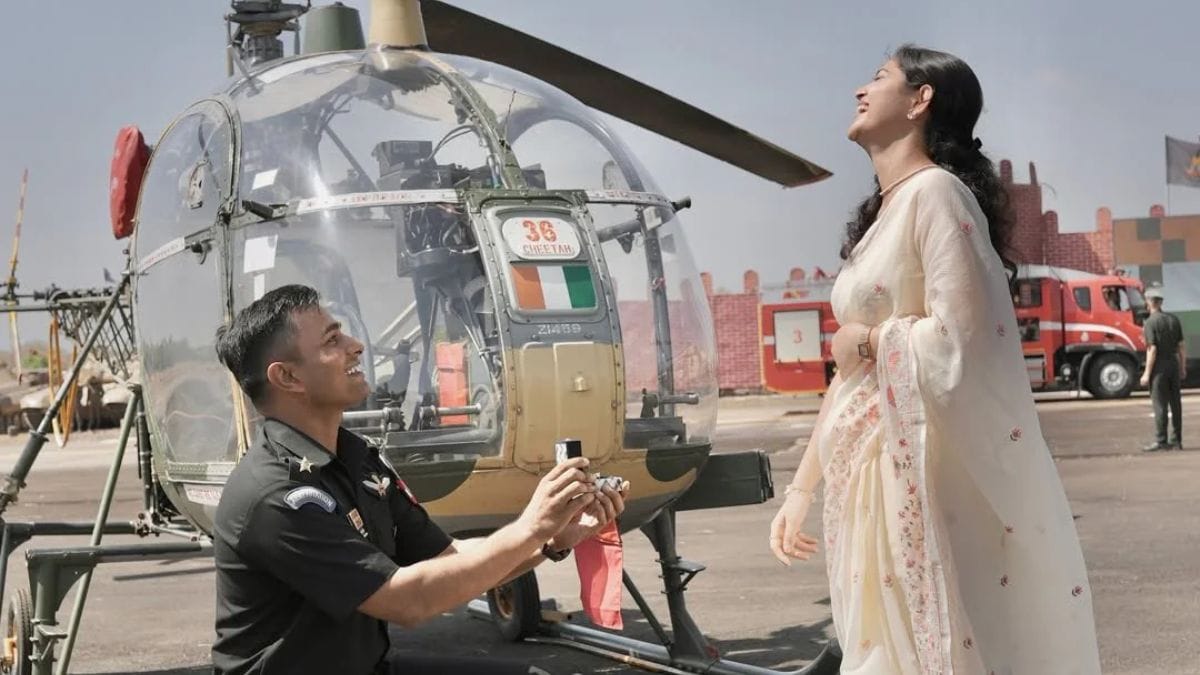
Defending the Spirit of the Army: A Call to Embrace Joy Amidst Criticism
The backlash against an Army captain’s recent proposal at a graduation ceremony reveals a fundamental misunderstanding among some critics, particularly those from my generation. We should celebrate any portrayal of the Army and its officers in a positive light, especially in the social media landscape. Stifling the enthusiasm, or josh, that defines our military is not the answer. While concerns about security can be valid, in this instance, they are misplaced. Events like the "Know Your Army" gatherings and graduation ceremonies routinely feature public displays of military equipment, and no security protocols were breached during this proposal.
The moment was fitting for a proposal, occurring right after the captain’s passing out parade, surrounded by family and amidst a charged atmosphere. Changing into civilian attire would have disrupted the mood, the moment, and the very essence of the occasion. Celebrating such milestones is vital, and the tradition of exuberance at these parades should not be dismissed. In fact, the spirited acts that accompany military ceremonies, like throwing hats or performing intricate band displays, are universal practices that enhance morale.
It is this very josh that has empowered our soldiers in the face of overwhelming odds, such as at Rezang La, where a mere 120 men held their ground against 3,000 Chinese soldiers. Similarly, during the fierce defense at Longewala, the spirit of our troops has been the subject of cinematic retellings, showcasing the strength that josh brings to our military endeavors. If we suppress displays of excitement during parades, we risk demoralizing our forces, undermining the very spirit that leads to victories on the battlefield.
Harnessing Social Media for the Army's Narrative
The captain's proposal also ignites a broader discussion on the power of social media in shaping narratives. History has shown that while we might win battles, we often falter in promoting our successes to the public. Notably, the Indian Army’s cautious approach to social media contrasts sharply with Pakistan’s adept narrative management. The BJP, which excels in leveraging social media for political gain, seems to overlook its potential for the military. We need to embrace this tool, educate our forces, and effectively communicate our stories.
During my tenure as Corps Commander in Kashmir, I advocated for a social media presence to counterbalance the narratives propagated by other entities. However, it took years for this initiative to gain traction. In today’s fast-paced information environment, timely responses are crucial; we cannot afford delays. While the Indian Army currently restricts personnel from posting images in uniform, we must recognize that such images can inspire the public. Responsible use of social media, rather than outright bans, is essential.
Many democratic armies allow their members to share personal experiences on social media, provided they clarify that views are personal. In contrast, the Indian Army’s stringent policies limit engagement to passive viewing, which may inadvertently hinder public relations and recruitment efforts. In a world where information warfare is prevalent, learning to navigate social media effectively is imperative. Rather than punishing individuals for breaches, the focus should be on education and trust.
The young captain who proposed may face administrative consequences due to the heightened scrutiny surrounding the event. However, I hope this does not dampen the adventurous spirit that drives our flyers to push boundaries in critical rescue missions. The essence of military life thrives on taking calculated risks and showcasing the resilience of our forces. These views are my own, as expressed by Lt General Satish Dua, a former Corps Commander in Kashmir and retired Chief of Integrated Defence Staff.
Comments