 by
by 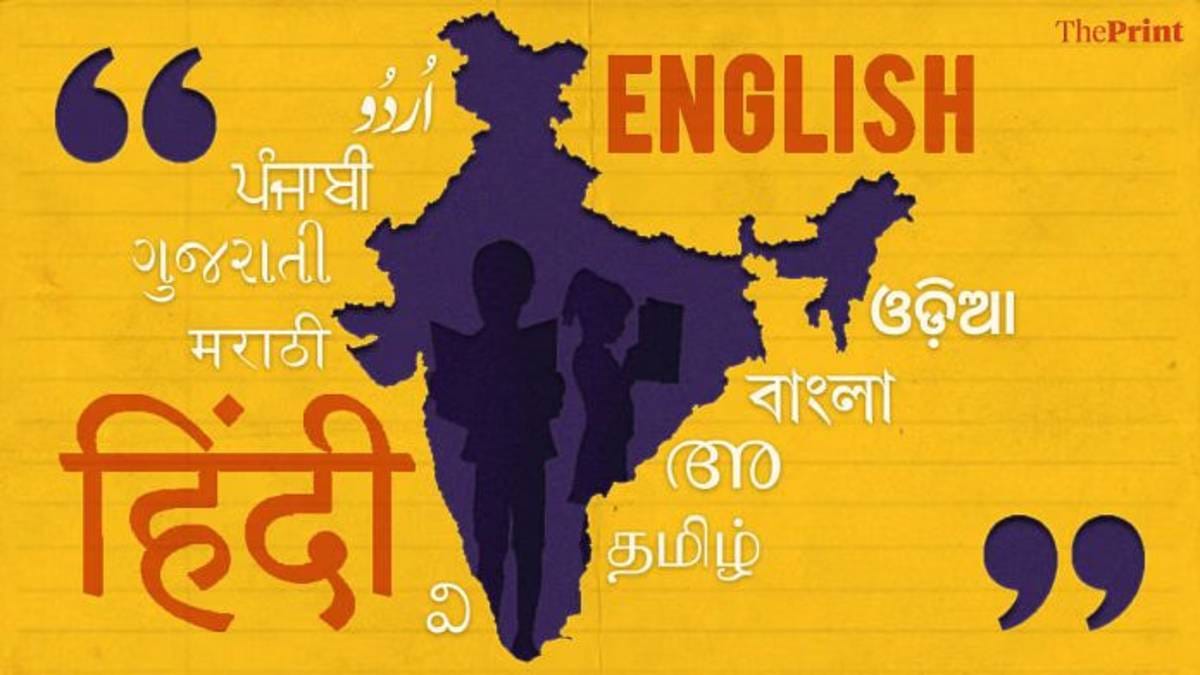
Decoding CBSE's Three-Language Policy: A Misunderstood Framework
The National Curriculum Framework for School Education (NCFSE) 2023 outlines a philosophy that categorizes languages into three tiers: R1, R2, and R3. R1 typically represents the mother tongue, while R2 and R3 are additional languages learned throughout a student's education. The Central Board of Secondary Education (CBSE) adopts this framework, mandating that at least two of these languages must be native Indian languages. This condition often becomes the focal point of discussions, creating a misconception that it excludes English or other foreign languages. In reality, the aim is to prioritize Indian languages in educational settings.
A nuanced understanding of the three-language policy extends beyond just the secondary school years. Under the New Education Policy (NEP) 2020, multilingual education is designed to develop progressively, rather than imposing a sudden burden in Classes IX and X. In a circular dated April 9, 2026, CBSE instructed schools to introduce R3 starting from Class VI in the 2026-27 academic year. This directive emphasizes that only those R3 languages taught from Class VI would typically be available in the subsequent secondary grades, highlighting the policy's developmental trajectory.
The educational framework for Classes VI to VIII reinforces that the inclusion of a third language should not overwhelm students. Daily activities focus on practical skills like oral communication, listening, and basic writing, aiming for functional familiarity rather than mastery. This approach suggests that the policy is more about gradual development than penalization, and the transition to incorporating the third language in Class IX is a natural progression based on prior learning.
A circular released by CBSE on May 15, 2026, specified that from July 1, 2026, students in Class IX will have to study three languages—R1, R2, and R3—with a minimum of two being Indian languages. It also clarified that foreign languages could be taken as R3, provided the other two are Indian, and an additional foreign language could be pursued as a fourth option. This indicates that the policy is not closing doors on foreign language education but rather reinforcing the importance of Indian languages within the core curriculum.
Concerns about increased pressure on students have surfaced, yet critics often misinterpret the policy. CBSE has confirmed that there will be no Board Examination for R3 at the Class X level, with assessments conducted internally by schools. This means that students will not be disqualified from the Class X Board exams due to their performance in R3, allowing for a more relaxed approach during this transition phase.
Moreover, the CBSE acknowledges the practical realities of teaching, including the need for adequate resources and teacher availability. The Board has noted significant overlap in competencies between middle and secondary stages, permitting Class IX students to use Class VI R3 textbooks for the 2026-27 academic year until new materials are developed. This flexibility reflects an understanding of the challenges schools face while implementing the new policy.
While challenges in teacher recruitment and training remain, the Board’s strategies, including inter-school collaborations and alternative teaching methods, show a commitment to managing the transition effectively. The pressing question isn't whether obstacles exist, but rather how educational systems can navigate them, and evidence suggests pathways are being established.
On a broader scale, the case for multilingualism is compelling. UNESCO emphasizes the benefits of teaching in languages that children comprehend, advocating for multilingual education to enhance inclusivity and outcomes. Similar initiatives in regions like the European Union underscore the value of multilingual competence as an educational asset. In a linguistically diverse country like India, fostering multilingualism is especially pertinent.
It's important to note that the CBSE policy does not mandate a specific Indian language for every child. Instead, it promotes a framework requiring three languages, with at least two being Indian, while allowing for the study of foreign languages. Schools should embrace this three-language scheme, which offers flexibility to adapt to local contexts. By doing so, we can enrich linguistic capabilities in students and foster a sense of national unity while keeping avenues open for global languages.
These observations come from Mamidala Jagadesh Kumar, Chairman of the Review Committee for NEP 2020, Ministry of Education, and former Chairman of UGC and Vice-Chancellor of JNU. The views expressed are personal.
Comments