 by
by 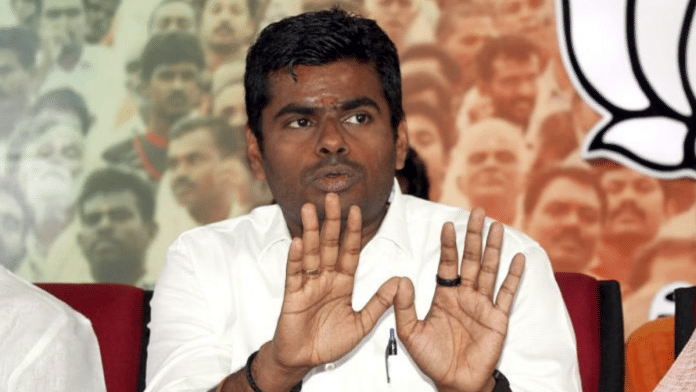
Annamalai Critiques Modi Government's Language Policy Shift
K. Annamalai, the Tamil Nadu BJP chief, has voiced his concerns over the central government's abrupt decision to implement a three-language formula for Class 9 students starting July 1, 2026. While he supports the initiative of multilingual education announced in April 2026, he highlights a significant change in the timeline that has left many parents and students bewildered. The original plan stated that the third language would only become mandatory from the 2029-30 academic year.
On May 15, 2026, the Central Board of Secondary Education (CBSE) issued a notification that contradicted its previous commitment, making the third language compulsory for Class 9 students much sooner than anticipated. Annamalai remarked on social media,
“Expecting a Class 9 student to learn a new language in a short time will only pressurise children and affect their overall learning outcomes.”He has urged the Ministry of Education to revert to the original schedule, emphasizing the need for a smoother transition.
The policy has raised alarms among parents in Tamil Nadu, where many students have been accustomed to a two-language system, usually Tamil and English, along with an optional foreign language. The sudden requirement for two Indian languages has created confusion and anxiety as the implementation date approaches. Many parents, along with students, have even approached the Supreme Court to challenge this mid-session policy shift, arguing that it adds undue stress to students already preparing for board exams.
With the BJP in Tamil Nadu undergoing leadership changes, Annamalai has scaled back his involvement in day-to-day party activities and was notably absent from the party's campaign during the recent state elections. His distancing from the party's organizational roles raises questions about his influence and commitment amid this contentious educational policy debate.
Comments