 by
by 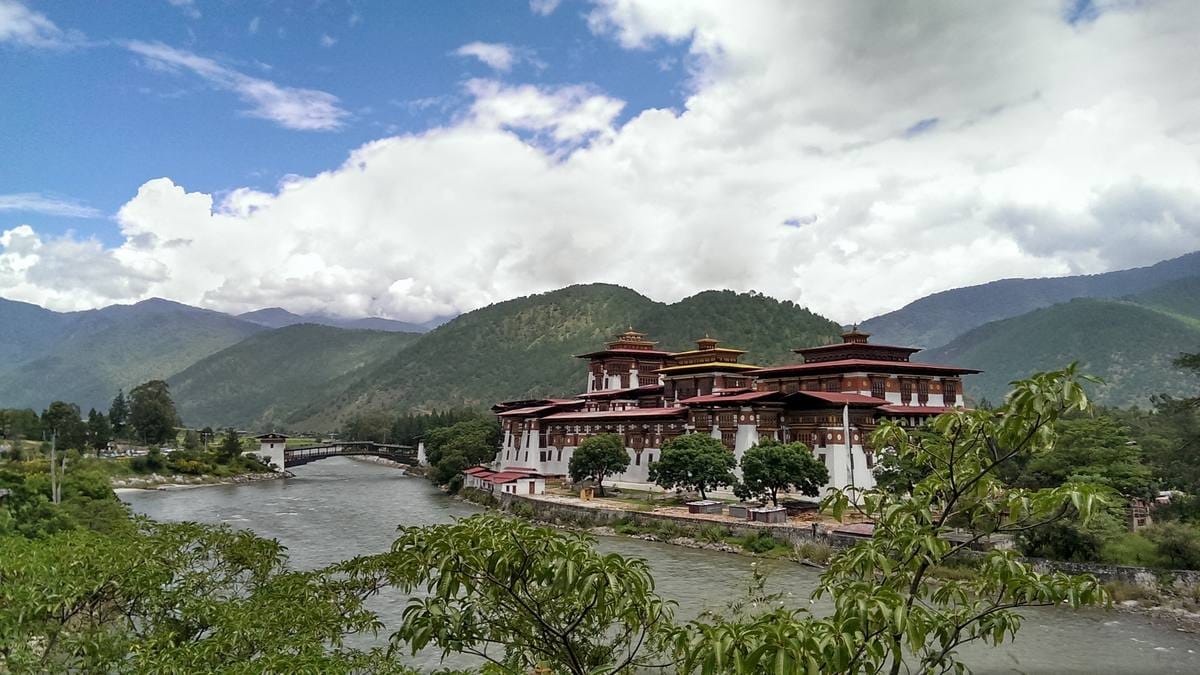
Bhutan’s Bold Inquiry Highlights India’s Tourism Dilemma
In a recent survey conducted in Bhutan, one question stood out: “Did you find the public toilets clean?” This inquiry reflects a level of confidence that India seems to lack when it comes to addressing its own tourism standards. While Bhutan openly seeks feedback from departing tourists, India would likely shy away from such a query, knowing full well the potential negative responses.
Tourism culture extends beyond historical sites and scenic landscapes; it encompasses a society’s readiness to welcome criticism and improve. This means being open to feedback about cleanliness, hospitality, and overall visitor experience. Bhutan demonstrates this ethos with its immaculate surroundings, where citizens are instilled from a young age with the responsibility of managing their own waste. During my visit, I noticed how distressed our guide was upon seeing a single piece of litter—a stark contrast to the behavior of some tourists who seemed unconcerned about their environmental impact.
The Bhutanese survey included additional questions about litter in public spaces, the courtesy of locals, environmental preservation, and the efficiency of hotel services. While exit surveys are common, they don’t always lead to meaningful change. However, the idea of asking about toilet cleanliness in India feels almost unfathomable. With a rich history and cultural diversity, the nation struggles with basic sanitation issues. Public toilets are scarce and often in disrepair, making the prospect of such inquiries not only uncomfortable but nearly impossible.
Despite efforts like the Swachh Bharat Abhiyan, which began over a decade ago, tangible improvements remain limited. The reality of air quality and public safety further complicates India's ability to engage with tourists on these topics. Bhutan's willingness to ask tough questions stems from its commitment to elevating its tourism experience, while India, grappling with its shortcomings, often recoils from scrutiny.
It’s time for India to evolve from merely promoting its tourism potential to fostering a true tourism culture—one that genuinely prioritizes visitors' experiences rather than clinging to outdated platitudes.
Comments