 by
by 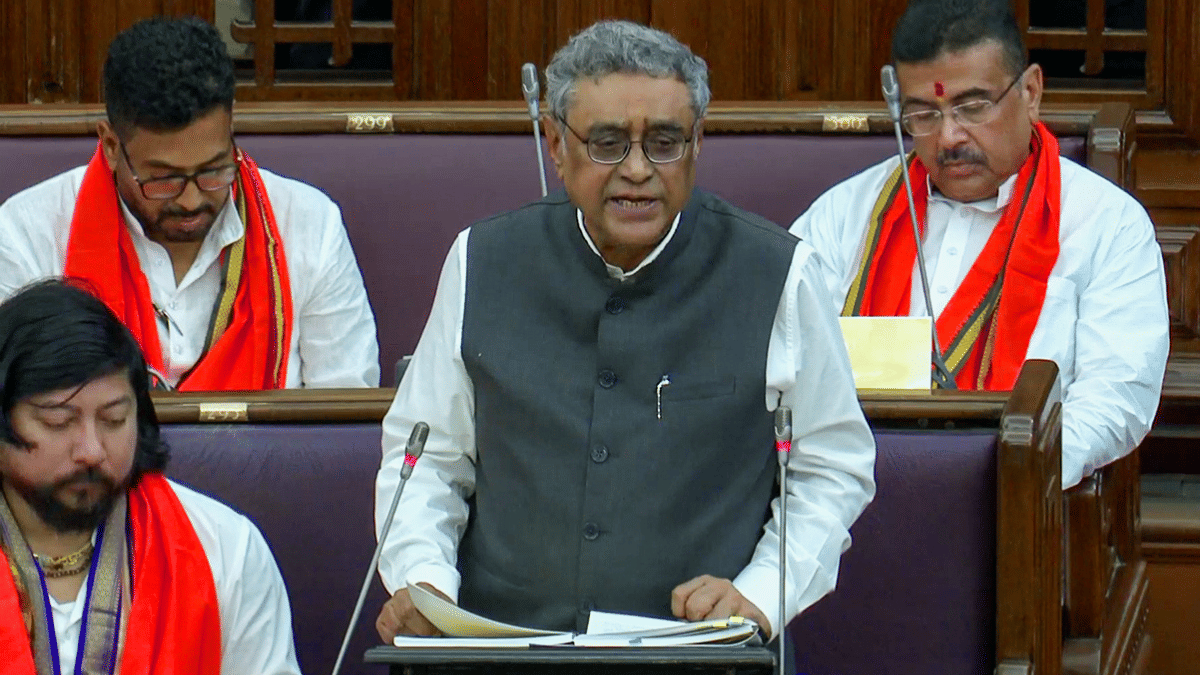
West Bengal's Budget Signals New Era of Cooperation with the Centre
In a landmark moment for West Bengal, Finance Minister Dasgupta unveiled a budget of Rs 4,38,775.29 crore, marking the first financial plan under the BJP-led government. This announcement comes just over a month after the BJP secured victory in the state, and it reflects the promises made during the campaign. Chief Minister Suvendu Adhikari emphasized that the budget aims to restore the cultural pride and dignity of West Bengal.
Among the key highlights is a 20 percent increase in the Dearness Allowance (DA) for government employees, raising the total to 38 percent. This measure responds to long-standing grievances from state workers who served under the previous Trinamool Congress regime. CM Adhikari reassured employees, stating,
“Give our government some time. We are committed to filling the 22 percent DA gap.”
The administration is also focused on job creation, announcing a significant recruitment initiative to fill 100,000 vacancies across various sectors, including 20,000 police positions and 50,000 roles in education. Dasgupta noted that one-third of these jobs will be earmarked for women where applicable. Additionally, the newly introduced Bharosa Karmosuchi scheme will provide monthly financial aid to job-seeking graduates and other unemployed youth.
The budget further outlines a robust infrastructure push, with Rs 40,000 crore allocated for projects like a new commercial airport in Kalyani, a deep-sea port at Dadanpatrabar, and a bridge over the Mayurakshi river in Birbhum. Plans for metro rail expansions in Durgapur, Asansol, and Siliguri are also in the works. Dasgupta positioned this budget as a step towards a constructive relationship with the Centre, stating that it opens the door to nearly Rs 40,000 crore in developmental funding through central schemes.
Experts note that the shift in budgeting priorities signifies a new era for West Bengal. Senior journalist Pratim Ranjan Bose remarked that the “double-engine government” is set to enhance state expenditure and manage fiscal deficits. However, the budget reflects a controversial cut of over 50 percent in funding for the Minority Affairs and Madrasa Education departments, from Rs 5,713 crore to Rs 2,165 crore. This decision has drawn criticism, with opposition leader Ritabrata Banerjee voicing strong opposition to the reductions.
The budget also showcases a commitment to cultural initiatives, including the establishment of the Bengal Shaktipeeth Circuit and the Chaitanya Mahaprabhu Pilgrimage Circuit, aimed at revitalizing historic sites. In a move to honor Bharatiya Jana Sangh founder Syama Prasad Mookerjee, the government will declare his birth anniversary a state holiday and allocate Rs 200 crore for a dedicated library and research facility. Furthermore, plans for a modern museum-cum-cultural center celebrating “Vande Mataram” were also announced.
In summary, the 2026 West Bengal budget represents a decisive shift towards collaboration with the Centre and an emphasis on cultural nationalism. However, the cuts to minority funding may become a contentious issue in the state's evolving political landscape.
Comments